
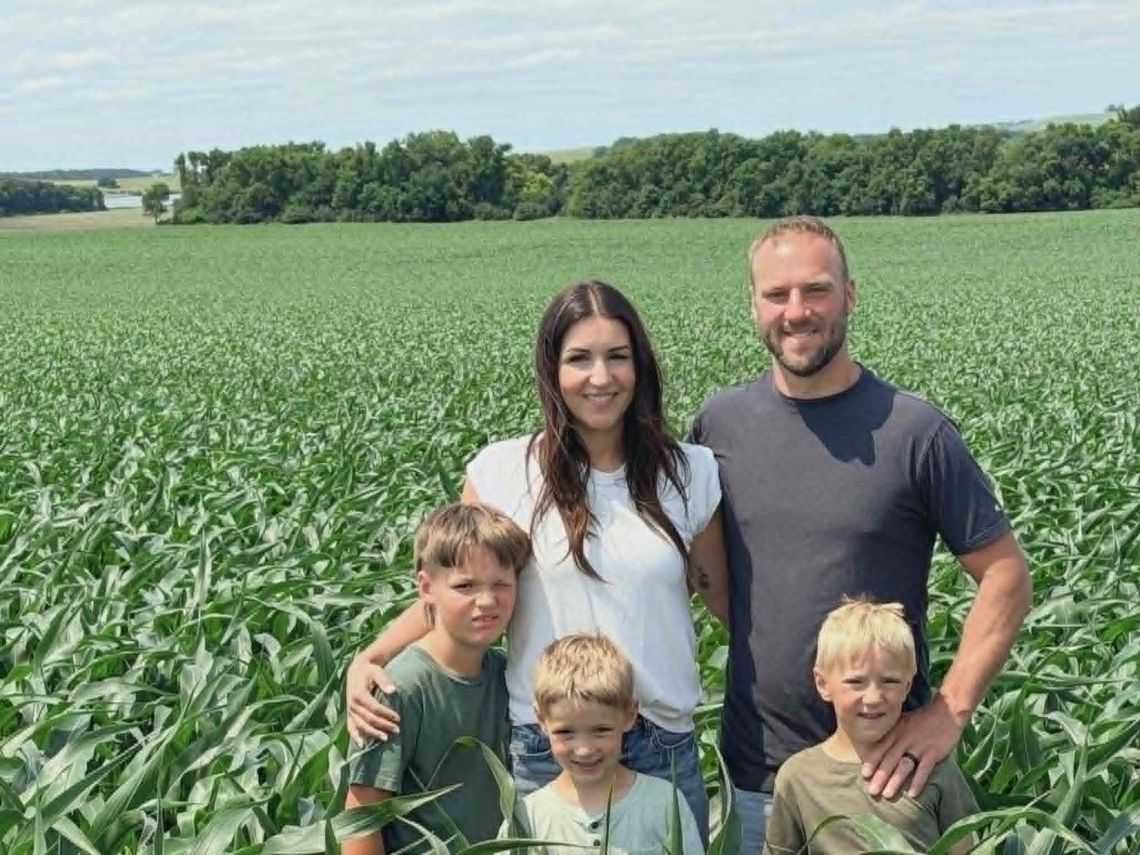
After battling flooding and drowned-out fields a year ago, Journal Country farmers are seeing a much more encouraging start to the 2026 growing season. Agronomists across the area say crops are generally in good condition thanks to timely rains, limited severe weather and adequate soil moisture, although producers know plenty can still change before harvest.
“It’s been a fairly cool start to the growing season, but we’ve turned the page on spring and are moving into summer,” said Joe Gustafson, agronomy division manager with Full Circle Ag. “Everything that got planted looks good.”
Gustafson said Marshall County did have a fair number of prevented planting acres this spring because of wet conditions, but fields that were planted are progressing well.
“We don’t want to wish the rain away,” he said. “The timely rains have been good, and we’ve got fairly adequate soil moisture.”
While both corn and soybeans are off to a solid start, Gustafson said there are still important management decisions ahead as the growing season progresses.
“The beans look like they should this time of year,” he said. “As long as prices can recover some, there’s still a chance for a really big crop this year. Some guys are still making investments in their crop.”
In the northeast corner of Journal Country, Casey Erickson, location manager for Full Circle Ag in Forman, said producers have been fortunate to avoid major weather events.
“We’ve been really fortunate in this area with weather,” Erickson said. “We’ve had nice rains, no flooding and not much damaging wind.”
Although there were some prevented planting acres in the Hills, Erickson said they were limited. Corn experienced some uneven emergence early in the season but has largely recovered.
“Corn is looking good,” he said. “Soybeans also look good and are getting into a more advanced growth stage.”
Like Gustafson, Erickson said the rest of the season will depend on receiving additional rainfall at the right times.
“We have good subsoil moisture now, but we still need those timely rains,” he said. “August rains make grains, they say.”
Near Hecla, Full Circle Ag sales agronomist Brady Wieker said some fields west of town sustained hail damage earlier this spring, while wetter conditions closer to Hecla have left some soybean fields showing yellowing from saturated soils.
“A lot of the crops have come back and recovered,” Wieker said. “Weather tends to expose little imperfections, but crops have been pretty resilient.”
He said warmer temperatures in the 80s combined with timely rainfall should help crops continue catching up after accumulating slightly fewer growing degree units than average.
At Agtegra's Langford location, manager Chad Voss described the season as unusual but generally favorable.
“There hasn’t been a lot of severe weather,” Voss said, although some producers around Hecla dealt with damage that required limited replanting.
He said lingering moisture from last year's exceptionally wet season created some unique planting challenges, particularly in fields with heavy corn residue that was slower to dry. Fortunately, an open winter without significant snowfall allowed soils to dry enough for planting.
“There’s some really nice corn out there,” Voss said, although he noted some soybean fields have struggled to emerge.
The cooler June has also benefited other parts of agriculture. “Cooler June means nice small grains and good pastures,” Voss said. “We’re blessed to have adequate hay and pastures.”
Even with favorable crop conditions, producers continue to face economic challenges. Voss said grain markets remain difficult, while fertilizer costs, particularly phosphorus, continue to pressure farm budgets despite some easing in nitrogen prices.
According to the latest USDA crop report for the week ending June 28, 68% of South Dakota's corn crop was rated good to excellent, while 63% of the soybean crop received good to excellent ratings. Statewide, topsoil moisture was rated 43% adequate and 3% surplus, providing a solid foundation as crops enter the heart of the growing season.
For now, local agronomists agree the outlook is considerably brighter than a year ago. If timely rains continue through July and August, many producers could be looking at a strong crop by harvest.