
Tuesday marked Diabetes Alert Day, an annual observance held on the fourth Tuesday in March by the American Diabetes Association. The day serves as a “wake-up call” to raise awareness about the seriousness of diabetes and the importance of understanding personal risk.
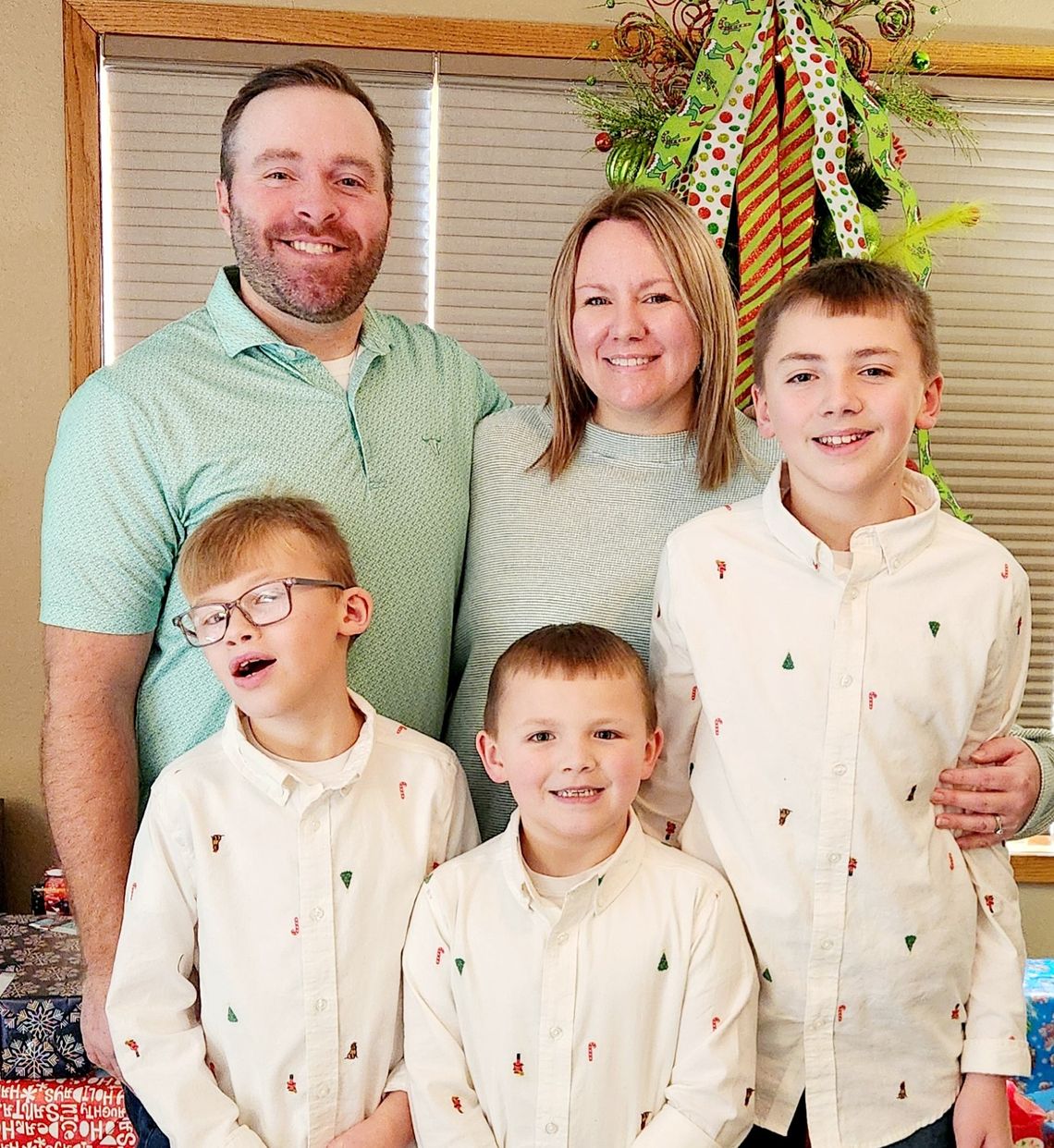
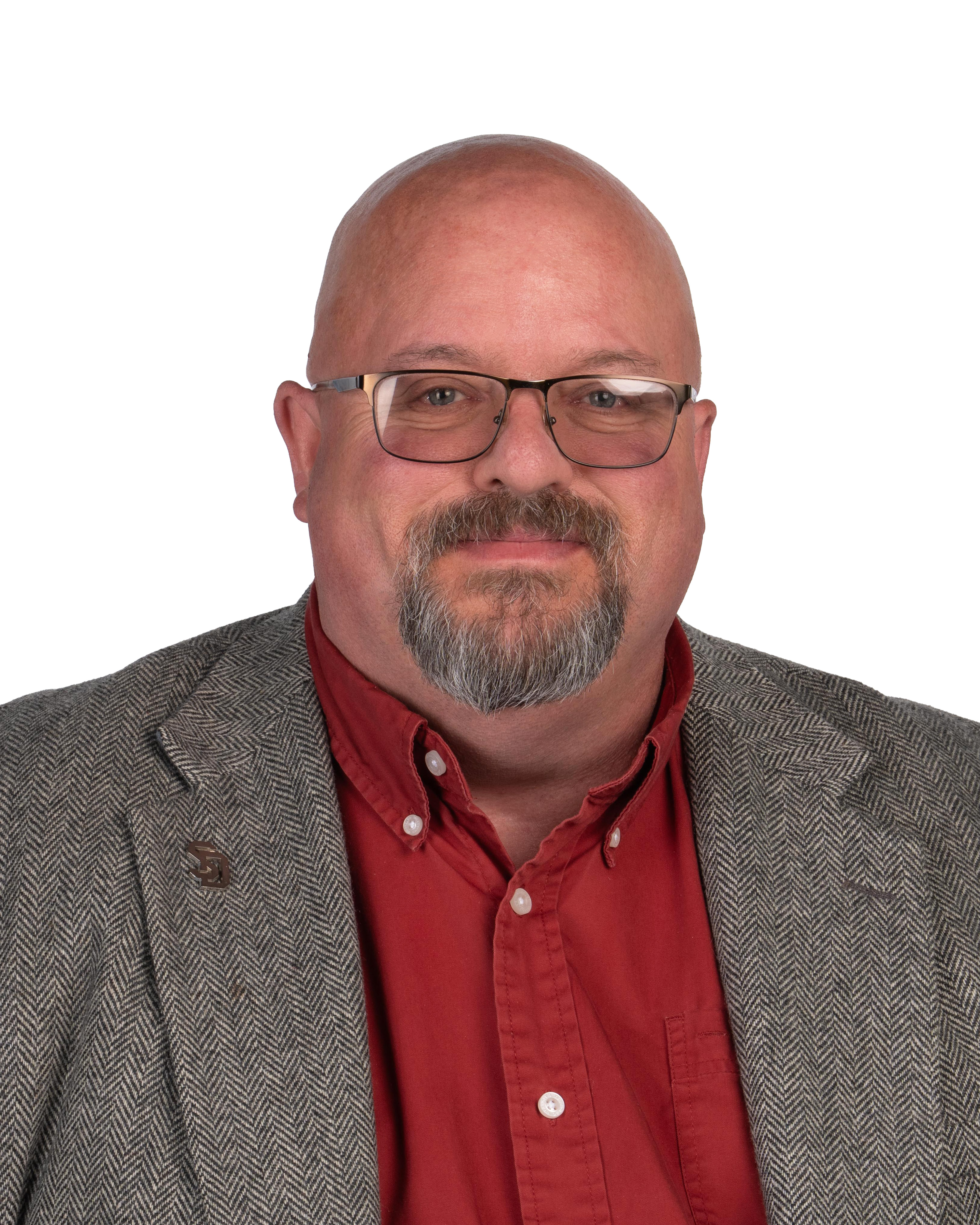
In recognition of the day, the Journal spoke with two area residents, Carly Peters of Britton and Dan Tracy of rural Marshall County, who were both diagnosed with diabetes as adults and have navigated the challenges of managing the condition.
For Peters, a fifth-grade teacher and mother of three, the diagnosis came unexpectedly at age 26. Originally from Detroit Lakes, Minnesota, she moved to Britton in 2009 when she married her husband Jameson.
“I was definitely in shock, as I always believed Type 1 came on in childhood,” she said.
Peters was diagnosed with Type 1 diabetes in 2011 after experiencing blurred vision following a trip where she indulged in some regular soda at the Coca-Cola Museum. A blood sugar check revealed levels in the 200s, and further testing showed her A1C was over 9. Additional lab work confirmed an autoimmune response attacking her pancreas.
Looking back, Peters said the warning signs were subtle. “I had little energy and was tired quite often, but I didn’t have the typical symptoms like extreme thirst or frequent trips to the bathroom,” she said.
Today, Peters manages her diabetes using an insulin pump and continuous glucose monitor (CGM), devices that work together to track her blood sugar and deliver insulin as needed. She said the technology has made a significant difference in her daily life, but still requires constant attention.
“My CGM takes a glucose reading every five minutes and sends it to my pump,” she said. “But being a diabetic is draining, physically and emotionally. You always have to make sure you have your supplies with you every day.”
She said managing blood sugar can be unpredictable, with factors like stress, illness, sleep and even hormones all playing a role.
“There’s a lot of trial and error,” Peters said. “Even if something worked before, it might not work the next time.”
Despite the challenges, she encourages others to seek education and tools early.
“One of the best things I did was see a dietician,” she said. “I would also recommend a CGM. It allows you to monitor your glucose levels much more closely.”
For Tracy, a longtime college professor who now spends much of his time at his lake home in Marshall County, the path to diagnosis was different. He has spent more than three decades teaching and currently serves as a professor at the University of South Dakota’s Beacom School of Business.
He was diagnosed with Type 2 diabetes in 2002 after experiencing severe swelling in his legs. A trip to the emergency room for a minor injury that would not stop bleeding ultimately led to the diagnosis.
“I didn’t notice at the time, but I should have,” Tracy said. “I had insatiable thirst, fatigue and slow healing, but I attributed that to my weight.”
Since then, managing diabetes has become an increasingly complex part of his daily life. What began with oral medication has progressed to multiple insulin injections and additional treatments.
“I’m consistently checking my blood sugar four to five times per day,” he said. Tracy said the diagnosis has changed how he approaches everyday activities, particularly when it comes to injuries, diet and long-term health planning. He said he hopes to make lifestyle changes, including diet and exercise, to reduce his reliance on medication.
“I’m hoping to reverse that trend and get off as many medications as possible,” he said.
One of his biggest takeaways is the importance of early attention to symptoms. “Pay attention early,” Tracy said. “I ignored or overlooked many symptoms, and the vascular damage in my legs is not reversible. That’s something I could have avoided.”
Both Peters and Tracy emphasized that while diabetes can be challenging, it is manageable with the right tools, support and awareness.
For more information about diabetes or to assess your risk, visit diabetes.org or consult a healthcare provider.