Editor’s Note: National Women in Agriculture Day is observed in late March, and 2026 has been declared the International Year of the Woman Farmer by the United Nations General Assembly, with 123 countries co-sponsoring the resolution adopted in 2024. In recognition, the Journal will feature a series of stories throughout the month highlighting local women in the agriculture industry, beginning with Veblen native Liv Stavick.
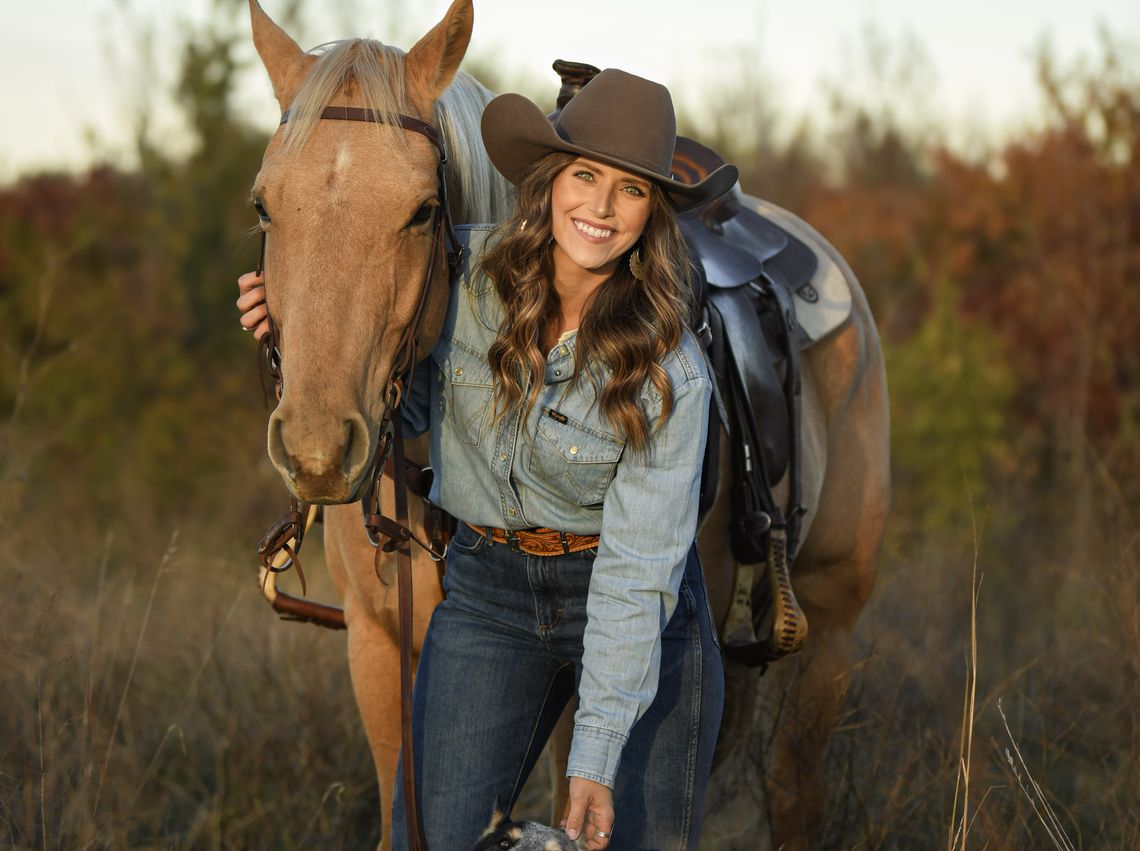
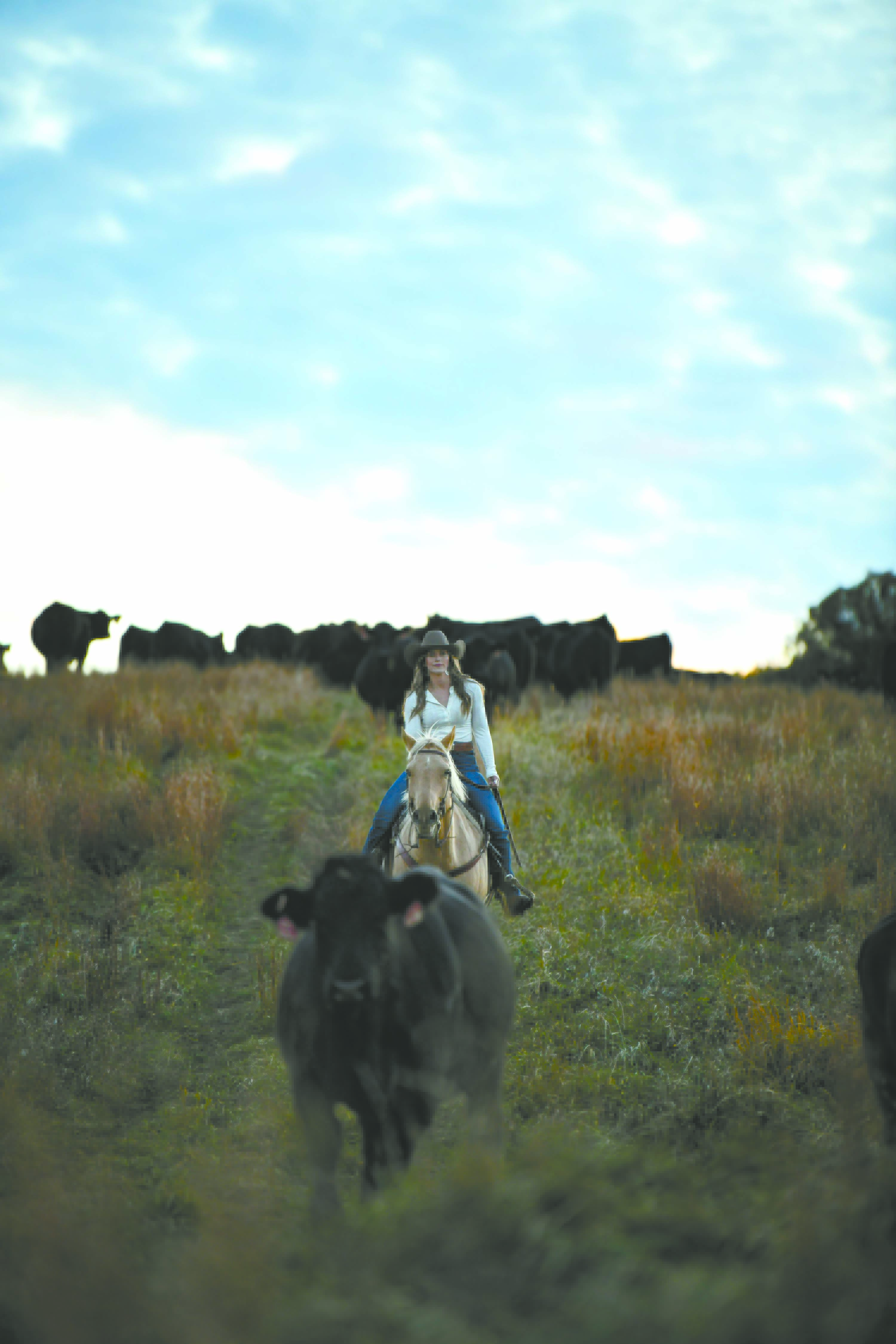
For Liv Stavick, cattle have never been a hobby or side project. They have always been a way of life.
Growing Up In The Business
Stavick grew up south of Veblen on her family’s seedstock ranch, Stavick Simmental, where weekends meant working cattle and family time often revolved around checking pairs in the pasture. Dinner table conversations, she said, “somehow circled back to them.”
“My dad is a first-generation rancher, and that shaped everything,” Stavick said. “Nothing was handed down except a work ethic. I watched him build a bona fide business from the ground up with a relentless commitment to herdsmanship and quality genetics.”
She and her brother were not occasional helpers. “It wasn’t something we clocked in and out of,” she said. “It was just how we were raised.”
Today, Stavick remains closely involved in the family operation while serving as executive director of the South Dakota Agri-Business Association. Her career bridges production agriculture and statewide advocacy.
After graduating from Montana State University with degrees in political science and agricultural business, Stavick envisioned influencing policy affecting farmers and ranchers. She worked for the Montana Farm Bureau Federation in roles focused on lobbying, policy development and leadership training.
Back To The Coteau
The work was meaningful, but something kept pulling her home.
“My favorite conversations were the daily phone calls home, talking pedigrees and long-term goals with my dad,” she said.
Even while living seven hours away in northeast Montana, she frequently made the 14-hour round trip to help with breeding, weaning, preg checks and bull sale preparation. Eventually, she recognized where her investment truly was. “Montana was temporary,” she said. “My investment was at home.” In 2023, she returned to northeast South Dakota.
At Stavick Simmental, her father, Mike, and brother, Owen, form what she calls the backbone of the ranch. Her involvement shifts with the season. She spearheads marketing efforts, including sale catalogs, print advertising, social media and the ranch website. She is also part of regular discussions about breeding decisions, bull development and long-term planning.
“In a family operation, management isn’t always formal,” she said. “It can be collaborative. I value the chance to contribute.”
Working in a family business has required resilience and clear communication.
“One of the biggest lessons I’ve learned is not to take things too personally,” she said. “We’re family, but at the ranch, we’re co-workers.”
Clear roles are essential, especially during breeding and sale preparation. “Each of us owns a piece and is responsible for improving it year after year,” she said. “We don’t always agree. But we trust each other.”
Doing The Job Well
As a young woman in agriculture, Stavick said she focuses less on labels and more on competence.
“I don’t spend much time focusing on being a woman in agriculture. I focus on doing the job well,” she said.
Still, she acknowledges that learning to speak up in rooms where she may be the youngest or only woman has required growth.
“Preparation helps. Knowing your operation helps. If you know your stuff, it shows,” she said. “You don’t have to know everything right away. You just have to be willing to learn.”
She believes agriculture offers opportunity for women willing to engage fully.
“Agriculture needs strong leaders, and there’s room for young women willing to show up, stay curious and put in the work,” she said.
In her role with the South Dakota Agri-Business Association, Stavick oversees day-to-day operations, membership, events and legislative advocacy. The organization represents ag retailers, grain elevators and allied businesses, focusing on workforce, regulation and maintaining a strong business climate, and a significant portion of her time is spent at the State Capitol advocating for members.
A Look Towards The Future
Looking ahead, Stavick believes generational sustainability is among the most pressing issues facing South Dakota agriculture.
“Fewer young people are coming back to the farm or ranch,” she said. “Those who do often carry an enormous load.”
The challenge extends beyond labor. Rural communities depend on families who serve on boards, volunteer and support local institutions. When young producers are consumed with keeping an operation viable, those roles become harder to fill.
“If we want strong rural communities in ten or twenty years, we have to make agriculture a place where young people can build not only a business, but a life,” she said.
This fall, Stavick will marry and begin building a cow-calf and row-crop operation with her husband while remaining involved in Stavick Simmental. She hopes to continue strengthening the ranch and expanding the association’s impact.
To young women considering agriculture, her advice is simple.
“A career in agriculture is deeply rewarding,” Stavick said. “It’s a community of passionate, driven people who care about what they do and who they serve. Whether you grew up in agriculture or are just finding your way into it, there is space for you here.”
Check back throughout this month for more Women In Ag stories.