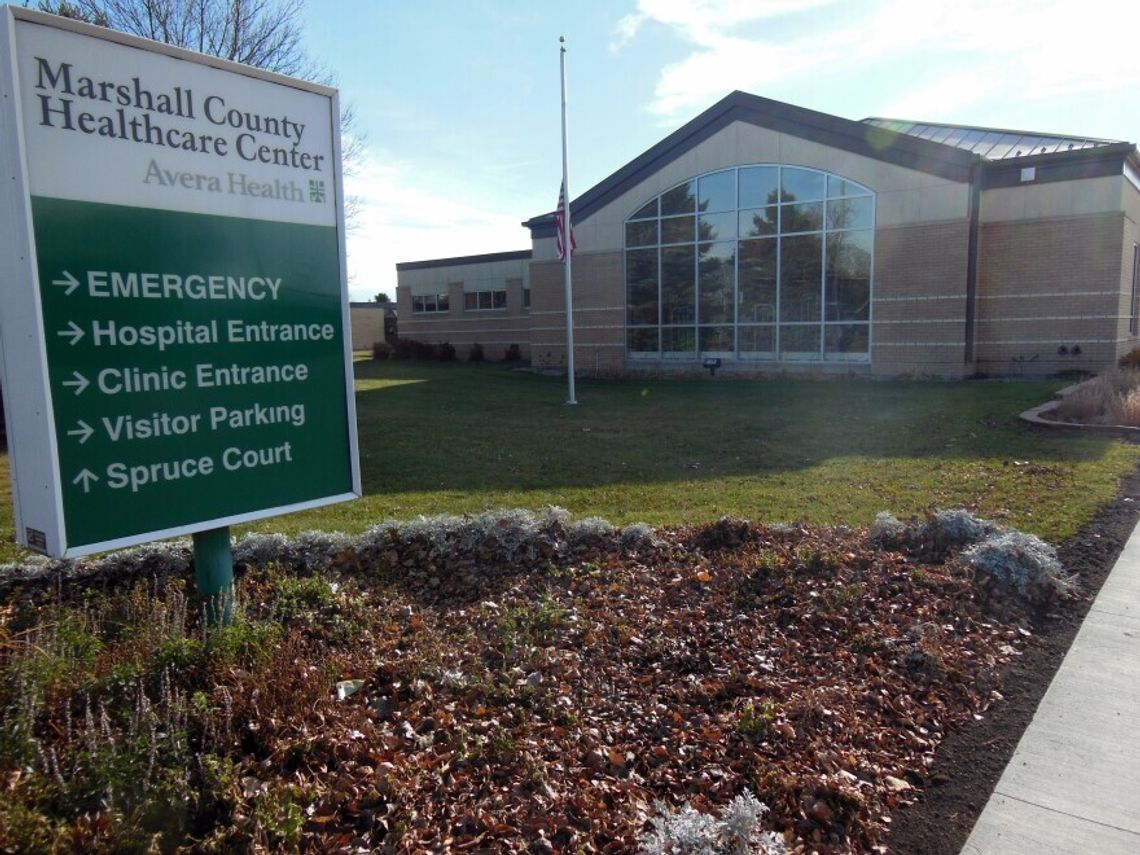
The South Dakota Community Foundation (SDCF) has awarded nearly $4.8 million through its Beyond Idea Grant program since 2022, supporting organizations across the state as they pursue innovative, community-driven solutions. This year, 14 nonprofits received nearly $1.2 million through the program, which is offered in partnership with the Bush Foundation. Among them is Marshall County Healthcare Center Avera (MCHC) in Britton, which has been awarded $50,000 to explore a major new concept: a mobile care clinic that could bring family practice visits directly to underserved areas of the county.
For MCHC, the idea has been a topic of discussion for nearly two years. Sheila Sutton, the hospital’s director of human resources and the author of the BIG grant, said the concept emerged from a simple question staff kept returning to: How can the hospital deliver care to residents who live farthest from Britton?
“This is a brand-new idea we’ve been talking about for the last 18 months to two years,” Sutton said. “We asked ourselves if we could have a mobile clinic that goes to Veblen, Langford, and/or Eden, because we serve all of Marshall County. For someone who lives on the outskirts, a trip to Britton can be a long one. This idea came up—and it was a BIG idea.”
The $50,000 grant will fund a research and exploration phase beginning in 2026. Sutton said the hospital is committed to doing its homework before committing to such a large undertaking.
“We wanted the opportunity to explore it responsibly,” she said. “We know we need to gather data from communities, conduct financial analysis, and look at what other places are doing. There aren’t many mobile clinics in South Dakota, so there’s a lot to learn.”
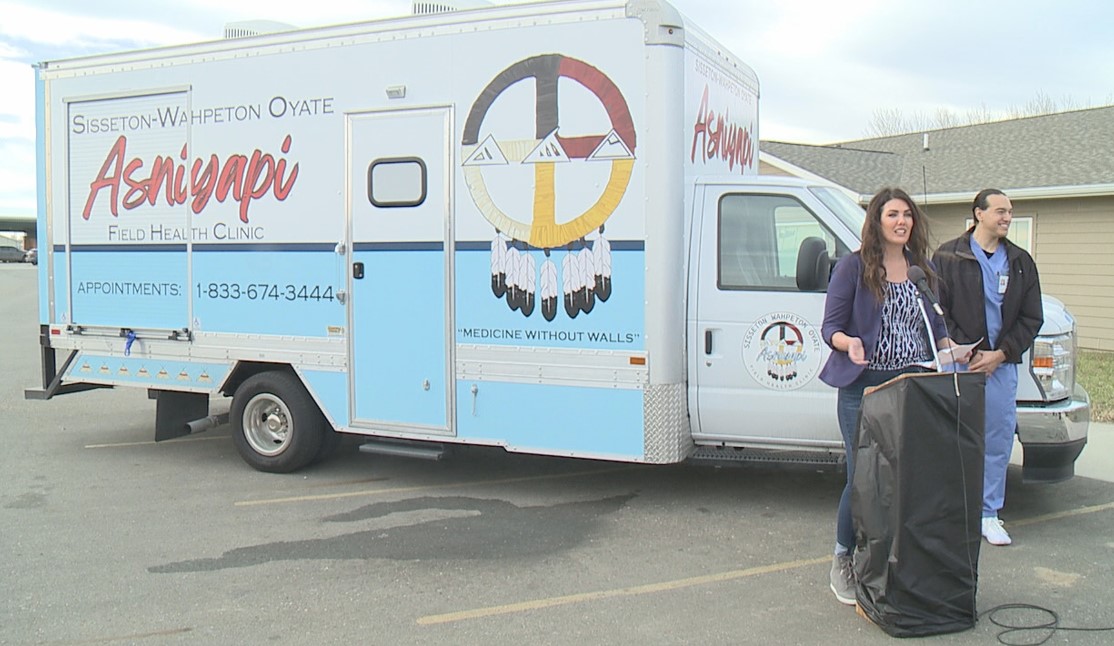
One of the few examples in the region is the Sisseton-Wahpeton Oyate Tribe’s Field Mobile Clinic, unveiled in 2023. Sutton said MCHC plans to look at that plus tap into national expertise by joining the Mobile Health Clinic Association. Staff will also attend an annual conference to learn best practices and connect with others around the country who operate mobile units.
“There are so many questions we have to answer,” Sutton said. “Would a mobile clinic be an RV? A truck with a trailer? Do we buy a fully equipped vehicle like the dental van that comes to town? What size is right? What kinds of visits would we do? Would we need a separate driver, and would that require a CDL? The grant funds will help us figure out all of that.”
The vision, Sutton said, could be to offer family practice care one day a week in communities such as Veblen, Langford, Eden, or Lake City, potentially staffed by a provider and a nurse. But the ultimate question will be sustainability—financially and operationally.
“Underserved doesn’t just mean income level,” she said. “It can mean distance from a facility, the ratio of patients to providers, language barriers, or a population’s confidence in traveling. Our minority populations, especially in the Veblen area, often live the farthest from care. Elderly residents may also not feel comfortable driving. We need to find out if a mobile clinic is the right solution and if it’s something we can support long-term.”
As part of the process, MCHC will hold meetings and focus groups with community leaders to learn what each town might need, and whether local partners would be willing to assist with logistics such as providing a parking space or access to electricity. The hospital also plans to hire an outside firm, such as Eide Bailly, to conduct a cost-benefit analysis, evaluate billing and regulatory requirements, and determine whether the model could be financially viable.
The project aligns closely with MCHC’s community health needs assessments, which are conducted every three years and consistently point to access gaps for Native American, Hispanic, and elderly residents. According to the grant application, MCHC hopes to measure the project’s impact by increasing the percentage of minority patients served and improving preventive care statistics such as wellness visits, mammograms, and vaccination rates.
“If patients build trusting relationships with providers and receive education where they live, we expect preventive visits to increase,” Sutton said. “Ultimately, we want to know if this could help reduce barriers and improve health outcomes.”
The Beyond Idea Grant supports exactly that kind of forward-looking approach, said Ginger Niemann, SDCF senior program officer. “Each of the nonprofits are finding innovative ways to fill critical needs in their communities and across South Dakota,” she said. “We are proud to support these organizations as they continue to serve the needs of South Dakota.”
If research shows the project is feasible, MCHC plans to apply again next year for funding to help purchase the actual mobile clinic. Sutton said the hospital remains “excited and cautiously optimistic,” noting that MCHC will also contribute funds to the development phase.
“This is the responsible route to take before we jump in,” she said. “We’ll be asking for community input soon.”
MCHC CEO Nick Fosness said the hospital’s mission is rooted in providing care close to home, and the mobile clinic concept reflects that. “Our leadership team is always seeking creative new ways to provide quality care,” he said. “We are eager to find out if there is a demand in our market and whether the service is financially viable. The BIG funds will give us the opportunity to gather data and community input to responsibly determine if a mobile health clinic would be beneficial and sustainable.”